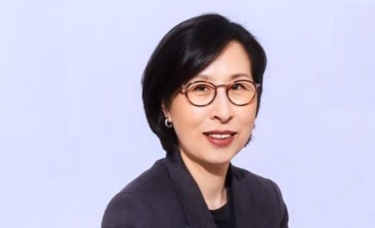
In this interview, we sit down with Dr Hyunsun Yoon, Senior Lecturer of our Postgraduate Taught Media Programmes.
Academic interests and expertise
Can you tell us about your academic and research background?
My work sits at the intersection of strategic communications, media, and persuasion. I focus on how people interpret messages across advertising, branding, and digital platforms, and increasingly how AI and ageing are represented in media. As a Senior Lecturer and Senior Fellow of Higher Education Academy (SFHEA), I combine theory with real‑world practice, supervising PhD students and contributing to international scholarship on strategic communications and promotional cultures in ageing societies.
How do you see your field evolving over the next decade?
Strategic communications will become even more data‑driven and AI‑enabled, with ethical and responsible communication taking centre stage. We’ll see blurred boundaries between PR, advertising, and digital media, and a growing need for ethical, culturally sensitive, and authentic storytelling. Professionals will need to equipped with technical literacy as well as strong ethical and narrative skills.
What do you enjoy most about teaching and mentoring students?
I am passionate about working with students as partners, seeing them discover their strengths and gain confidence as communicators, and helping them not just work-ready but world-ready. Mentoring is especially rewarding, whether helping with research, professional development or industry skills. I also enjoy bringing real‑world cases into the classroom and creating inclusive, supportive learning environments where students from all backgrounds can thrive.
Why this course?
What makes these postgraduate programmes unique within their field?
Most of our programmes are accredited by industry, covering theory and practice in the field, and working closely with industry. Students learn from academics and industry practitioners, with opportunities for professional placements, guest speakers and real‑world projects, national/European/international competitions, which connect them directly with the communications and media sectors.
What support is offered to help students transition from undergraduate to postgraduate study?
We offer a highly supportive learning environment, including structured academic skills development, guidance from committed academic staff, and access to industry‑aligned modules that help students build confidence quickly. Professional placements and applied learning help students bridge the gap between academic study and real‑world practice.
Are there opportunities for networking with alumni or industry professionals during the courses?
Yes, students benefit from extensive networking opportunities through guest speakers, field trips, Creative Futures events, bespoke placements, and partnerships with organisations in media, marketing and creative industries. These activities provide direct exposure to industry professionals and allow students to build valuable professional relationships while gaining hands‑on experience.
Career paths
How do the programmes help students develop skills for their future careers, whether in academia or industry?
Each programme builds strong professional and academic skills through hands‑on digital content creation, persuasive storytelling, media strategy, reputation management, and many other programme-specific knowledge and understanding. Students also gain real‑world experience through professional placements, guest speakers, field trips, and industry partnerships, which helps them transition into both industry roles and further academic study.
What career paths have graduates from this programme typically followed?
Graduates have gone into careers such as PR and communications roles, marketing, communications, digital content creation, media relations, advocacy, marketing, social and digital media management, and internal communications. The programmes are designed to prepare students for a wide range of professional paths across commercial, cultural, governmental and NGO sectors.
Tips for offer holders
If you could highlight one thing that students should look forward to in these programmes, what would it be?
Students can look forward to a range of elective modules including the professional placement opportunities, which offer direct industry experience, mentoring, and the chance to work on real campaigns—helping them build confidence, networks, and a strong portfolio.
What advice would you give offer holders as they prepare to join a postgraduate media course?
I’d encourage applicants to come in ready to engage creatively, stay curious about media trends, and make the most of industry-facing opportunities, from placements and guest speakers to specialist modules. Being proactive and open to experimenting with digital tools will help them get the most out of the programme.