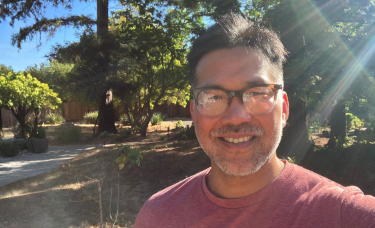
In this interview, we sit down with Eric Huang, Lecturer of our Creative Writing and Publishing MA programmes.
Academic interests and expertise
Can you tell us about your academic and research background?
I studied palaeontology at UC Berkeley, earning a degree in Integrative Biology. Fieldwork didn’t live up to my Jurassic Park dreams, though, so I left academia for a temp job as a receptionist at the Walt Disney Company in LA. That role turned into a full-time position as secretary to the Creative Director of Disney Publishing—and inadvertently started a career in publishing. Since then, I’ve held editorial roles across three continents and was one of the children’s publishers at Penguin in London. I’m also an author and podcaster.
How do you see your field evolving over the next decade?
Publishing has always been evolving. Technology has disrupted the industry repeatedly—from computers replacing typing pools to digitisation and ebooks—and the industry has always bounced back. AI will bring another profound shift. It’s important to be engaged with technological change—and change in general. Lean in to developments you don’t understand or might be afraid of so that you can affect the changes.
What do you enjoy most about teaching and mentoring students?
I love learning about how students discover books and what they love to read. The publishing ecosystem is so different now than in the ’90s. Their insights keep me fresh—and hopefully prevent me from becoming that old man shouting, “Back in my day…”
Why this course?
What makes this postgraduate programme unique within its field?
Joining our MA programmes is like stepping into the publishing industry itself. Students network with professionals, meet alumni, and take part in numerous placements and volunteer opportunities. From day one, they start building their profiles as publishing professionals and writers.
What support is offered to help students transition from undergraduate to postgraduate study?
I hold office hours to support students, and all our modules are designed to introduce new concepts and bridge the transition. We’re here for you!
Are there opportunities for networking with alumni or industry professionals during the course?
Absolutely! The Chairman of Faber and the Publishing Director at Oxford University Press co-teach modules. Guest lecturers visit every class. We host an annual Publishing Salon—a day of panels, keynotes, and discussions with industry leaders. Students can even create an episode of our Mastering Publishing podcast, interviewing alumni about their careers. These are all networking opportunities—and great fun, too!
Career paths
How does the programme help students develop skills for their future careers, whether in academia or industry?
As above, students effectively join the industry when they study with us. Networking, placements, and practical skills taught in every module prepare them to excel in publishing. Publishing professionals come to us when they’re looking for new talent.
What career paths have graduates from this programme typically followed?
Our alumni work across editorial, sales, audiobooks, marketing, rights, production, and more—in publishing houses, booksellers, agencies, and many, many others. Some have even launched their own publishing companies! The alumni network is powerful.
Tips for offer holders
If you could highlight one thing that students should look forward to in this programme, what would it be?
The people. Your classmates will become peers and friends as you all enter the workforce together. It’s a lasting connection—a powerful network that you’ll have for the entirety of your career and beyond.
What advice would you offer to offer holders as they prepare to join this course?
Take advantage of everything we offer and everything our London location offers, too—networking, book launches, literary festivals. You’ll be tired, on a budget, and juggling assignments, but go on that weekend trip anyway. Have fun!